

Seasonal changes are crucial in pest populations, directly influencing their breeding, activity, and survival rates. As temperatures rise, many insects become more active, seeking food, water, and shelter. Warmer weather accelerates reproduction cycles, extends lifespans, and increases insect movement, making pest infestations more common during spring and summer.
With increased bugs, homes and businesses face a higher risk of infestations, leading to potential health hazards and property damage. Taking proactive pest prevention measures is essential to keeping unwanted insects away. By understanding why pests thrive in warmer weather and how to prevent them, homeowners can effectively minimize infestations before they become a serious problem.
Why Do Pests Thrive in Warmer Weather?
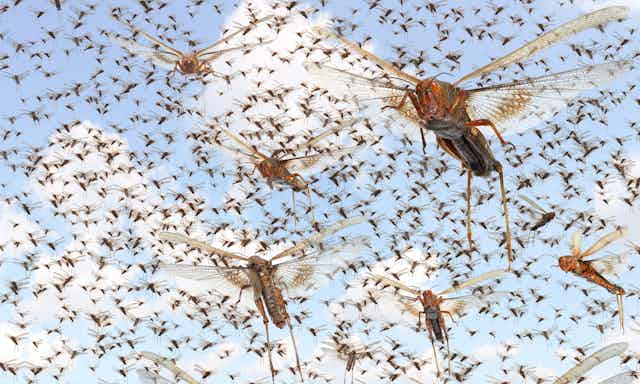 Warmer temperatures create ideal conditions for insects to multiply and spread. As the environment heats up, bugs experience biological and behavioral changes contributing to increased infestations. Several factors explain why pests thrive during the warmer months:
- Increased Breeding Cycles – Many insects reproduce faster in warm climates. Higher temperatures accelerate egg hatching and larval development, leading to a rapid increase in pest populations.
- Extended Lifespan – Cold weather slows down metabolism and reduces survival rates, but in warm conditions, insects live longer, allowing them to cause extended infestations.
- Higher Activity Levels – Warmer temperatures boost insect energy levels, making them more active. Bugs aggressively seek food sources, increasing their presence in homes and outdoor spaces.
- Environmental Changes – Humidity and heat create perfect breeding conditions for pests like mosquitoes, cockroaches, and termites. Moist environments provide ideal nesting areas, while higher temperatures encourage migration and infestation.
Common PestsThat Increase in Warm Weather
As temperatures rise, certain insects become more prevalent, leading to an increase in infestations. Warmer weather provides the ideal environment for these pests to multiply and invade homes, outdoor spaces, and commercial properties. Some of the most common bugs that thrive in warm conditions include:

- Ants – Higher temperatures drive ants indoors in search of food and shelter. They often enter homes through small cracks and can quickly establish colonies in kitchens and pantries.
- Mosquitoes – Standing water from summer rains and humidity creates the perfect breeding ground for mosquitoes. Warmer weather speeds up their life cycle, leading to a population surge.
- Termites – These wood-destroying pests are most active in warm temperatures, causing structural damage to homes and buildings. Their colonies expand rapidly in humid conditions.
- Cockroaches – Heat and moisture attract cockroaches, especially in kitchens, bathrooms, and basements. They thrive in warm environments and multiply quickly in hidden areas.
- Bees & Wasps – Warmer months increase bee and wasp activity as they search for nectar and build nests. Their presence can pose a stinging risk to homeowners and outdoor workers.
- Fleas & Ticks – Pets and wildlife carry fleas and ticks, which become more active in warm weather. These pests latch onto animals and can spread diseases to pets and humans.
Why Warmer Weather Increases Indoor Infestations
As temperatures rise, many pests begin seeking refuge indoors, leading to an increase in household infestations. Warmer weather accelerates insect activity and creates conditions that drive them into homes. Several factors contribute to this surge in indoor pest problems:

- Bugs enter homes searching for food, water, and shelter – Warmer months increase pest movement as insects look for reliable food sources and safe nesting areas. Kitchens, pantries, and damp spaces provide ideal environments for survival.
- Small openings in windows, doors, and foundations allow easy access – Even tiny cracks in walls, gaps under doors, or unsealed vents provide entry points for pests like ants, cockroaches, and rodents. Warmer weather often causes structural shifts, creating more openings for bugs to get inside.
- Warmer indoor temperatures create ideal living conditions – Many insects, including termites and cockroaches, thrive in heat. The warm and humid indoor climate encourages pests to stay and reproduce within hidden areas like basements, attics, and wall voids.
- Increased humidity attracts moisture-loving pests like cockroaches and termites – Damp conditions inside homes, caused by leaky pipes, poor ventilation, or high humidity, create a perfect breeding ground for moisture-seeking insects.
How to Prevent Pest Infestations in Warm Weather
As insect activity rises with warmer temperatures, preventing infestations becomes essential for maintaining a pest-free home. Implementing proactive measures can significantly reduce the chances of bugs invading indoor and outdoor spaces. Here are some effective ways to keep pests at bay:

- Seal Entry Points – Inspect doors, windows, walls, and foundations for cracks or gaps that pests can use as entry points. Use caulk, weather stripping, or mesh screens to seal openings and prevent bugs from getting inside.
- Keep Your Home Clean – Pests are attracted to food and trash, making cleanliness a key factor in prevention. Regularly wipe down countertops, vacuum floors, and store food in airtight containers to eliminate attractants.
- Reduce Moisture – Many insects thrive in damp environments, including cockroaches and termites. Fix leaky pipes, improve ventilation, and use dehumidifiers to maintain dry indoor conditions and deter moisture-loving pests.
- Maintain Outdoor Areas – Overgrown grass, leaf piles, and stacked firewood provide hiding spots for insects and rodents. Regularly trim vegetation, clear debris, and keep woodpiles at least a few feet away from the house to discourage pest nesting.
- Use Pest Deterrents – Natural repellents such as citronella candles, vinegar sprays, and essential oils (like peppermint and eucalyptus) can help keep bugs away. Placing these deterrents near windows, doors, and patios can reduce pest activity.
Professional Pest Control Solutions
While DIY methods can help control minor infestations, some pest problems require professional intervention. Warmer weather often leads to large-scale infestations that are difficult to manage with home remedies alone. Our professional pest control services offer effective, long-term solutions to keep homes pest-free.
- When DIY Methods Aren’t Enough – Some pests, like termites, bed bugs, and cockroaches, are difficult to eliminate with store-bought products. Over-the-counter treatments may only provide temporary relief while pests multiply and spread. Professionals use advanced techniques to target infestations at their source.
- How Pestong Offers Targeted Treatments – We specialize in seasonal pest control, addressing infestations specific to warm-weather conditions. Our trained technicians conduct inspections, identify problem areas, and apply tailored treatments to ensure effective results.
- Eco-Friendly Pest Control Options – Many homeowners prefer safe and environmentally friendly pest control methods to minimize the use of chemicals. We can offer non-toxic solutions, integrated pest management (IPM) strategies, and organic repellents that eliminate pests without harming the environment.