

Early spring pests are insects and small creatures that become active as temperatures rise, posing a threat to young plants and garden health. These pests, such as aphids, cutworms, and slugs, feed on tender shoots, leaves, and roots, leading to stunted growth, wilting, and plant loss.
Early spring is a critical time to take preventive measures because plants are at their most vulnerable stage. Pests reproduce quickly; if not controlled early, they can multiply and cause extensive damage throughout the growing season. Addressing the problem in spring reduces the need for stronger interventions later.
Common early spring pests include aphids, slugs, snails, cutworms, leafhoppers, ants, whiteflies, and spider mites. Recognizing their presence early and implementing effective pest control methods can help maintain a healthy and thriving garden.
Common Early Spring Pests and Their Impact on Gardens
 As temperatures rise, various pests emerge, searching for food and posing a threat to young plants. Below are some of the most common early spring pests and how they can damage your garden:
Aphids
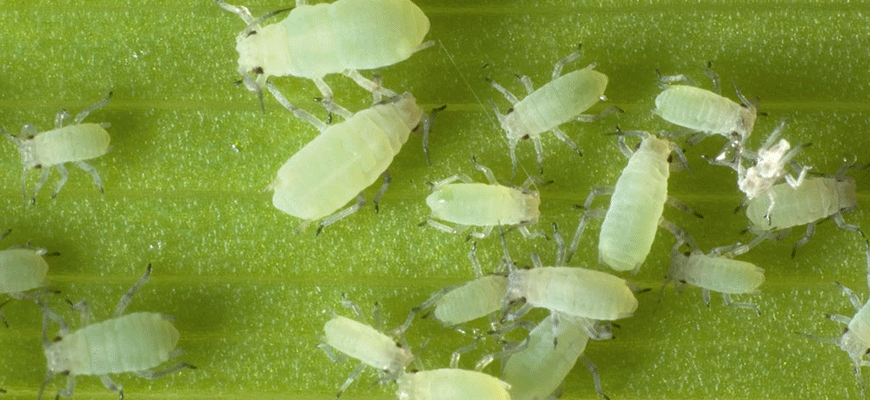 Aphids are tiny, soft-bodied insects that suck sap from plant stems and leaves. Their feeding weakens plants, causing leaf curling, yellowing, and stunted growth. They also secrete a sticky substance called honeydew, which attracts ants and promotes mold growth.
Slugs and Snails
 Slugs and snails thrive in damp conditions, feeding on leaves, stems, and seedlings. They create irregular holes in foliage and can destroy young plants overnight. Their slimy trails also signal their presence in the garden.
Cutworms
![Cutworms [fact sheet] | Extension](https://extension.unh.edu/sites/default/files/migrated_unmanaged_files/Cutworm,%20ATE,%20IMG_2346trim2.jpg) Cutworms are caterpillars that hide in the soil during the day and emerge at night to feed on seedlings. They chew through stems at the base, often cutting down entire plants. Their feeding can be devastating, especially for newly planted vegetables and flowers.
Cutworms are caterpillars that hide in the soil during the day and emerge at night to feed on seedlings. They chew through stems at the base, often cutting down entire plants. Their feeding can be devastating, especially for newly planted vegetables and flowers.
Leafhoppers
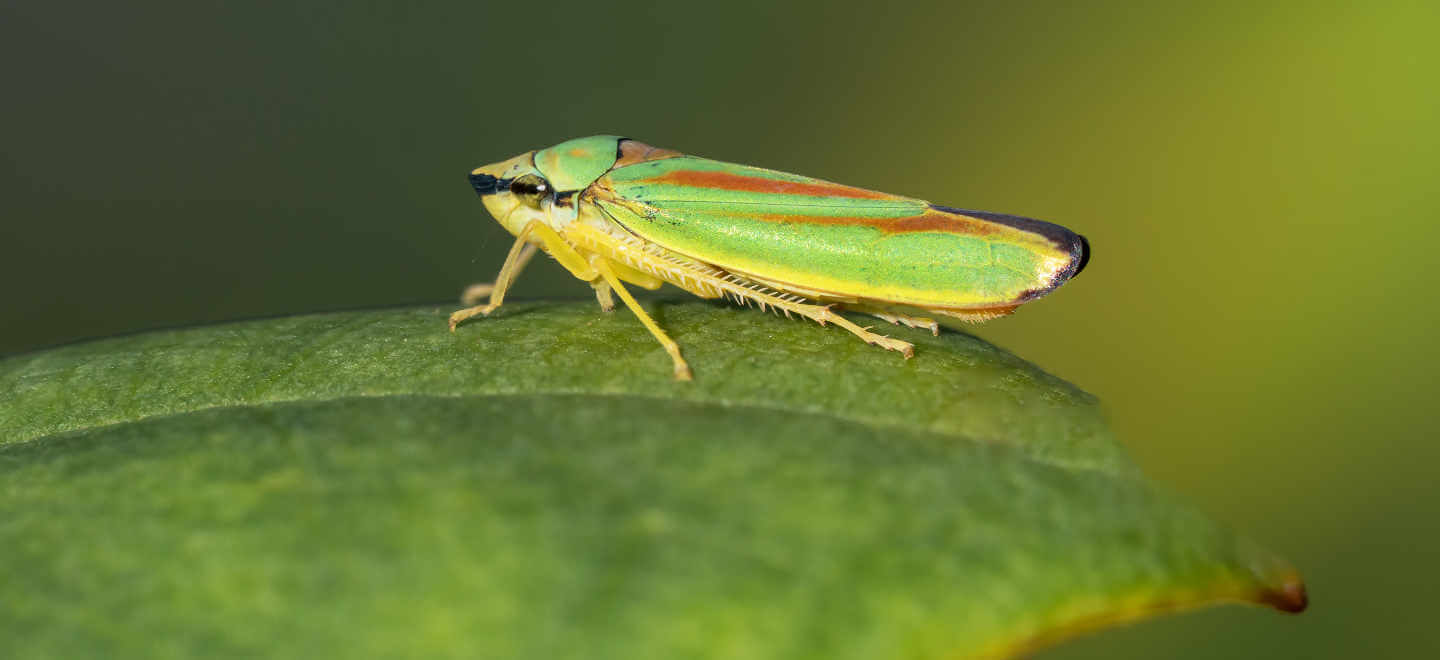 Leafhoppers are small, fast-moving insects that pierce plant tissue to feed on sap. They cause leaves to turn yellow, dry out, or appear scorched. Some species also transmit plant diseases, further harming garden health.
Ants
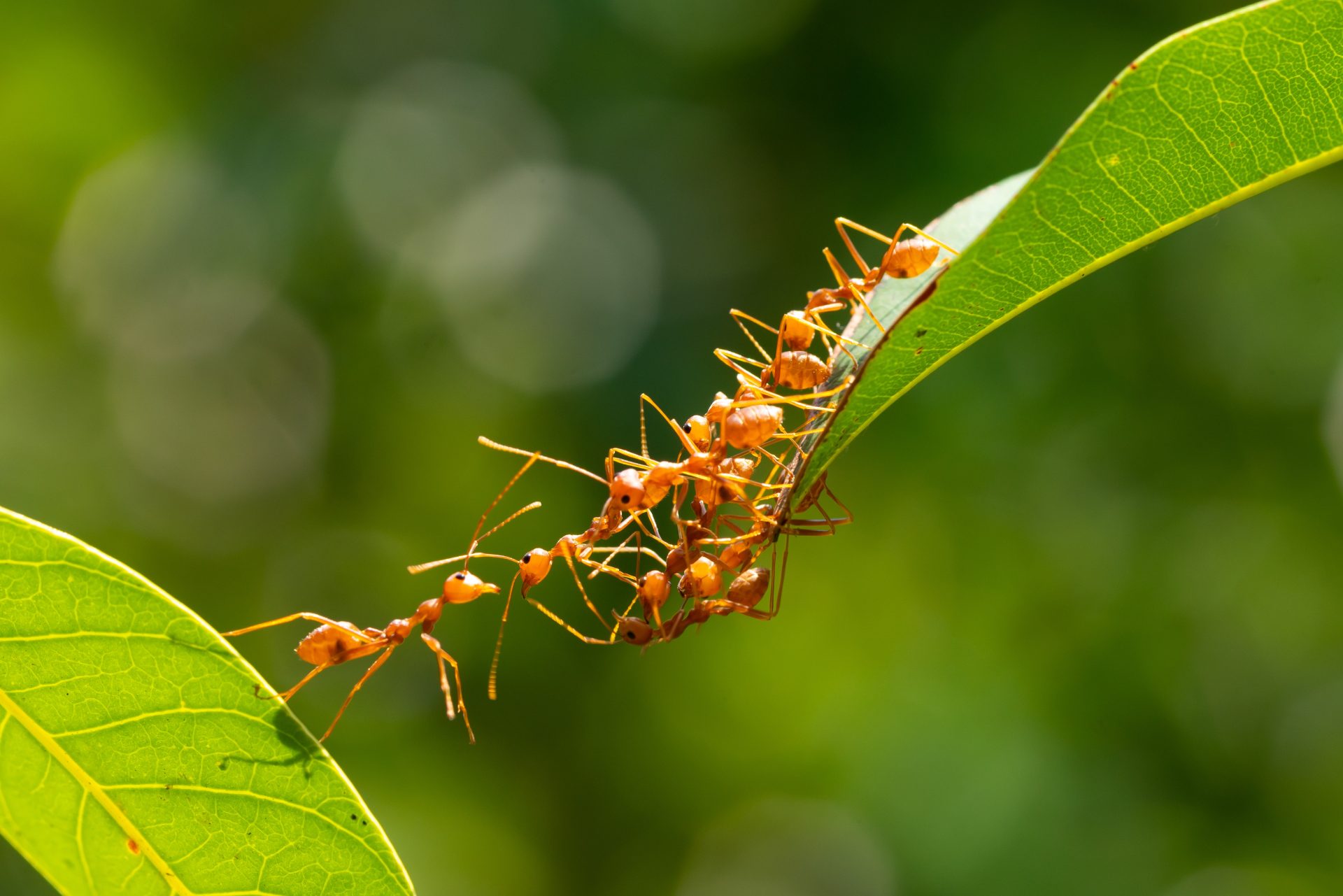 Ants are often found in gardens due to their relationship with aphids. They protect aphids from natural predators in exchange for the honeydew they produce. Some species, like fire ants, can damage plant roots and make gardening difficult.
Whiteflies
 Whiteflies are tiny, white-winged insects that cluster on the undersides of leaves. They weaken plants by extracting sap, leading to leaf yellowing and wilting. Like aphids, they also produce honeydew, which encourages mold growth.
Spider Mites
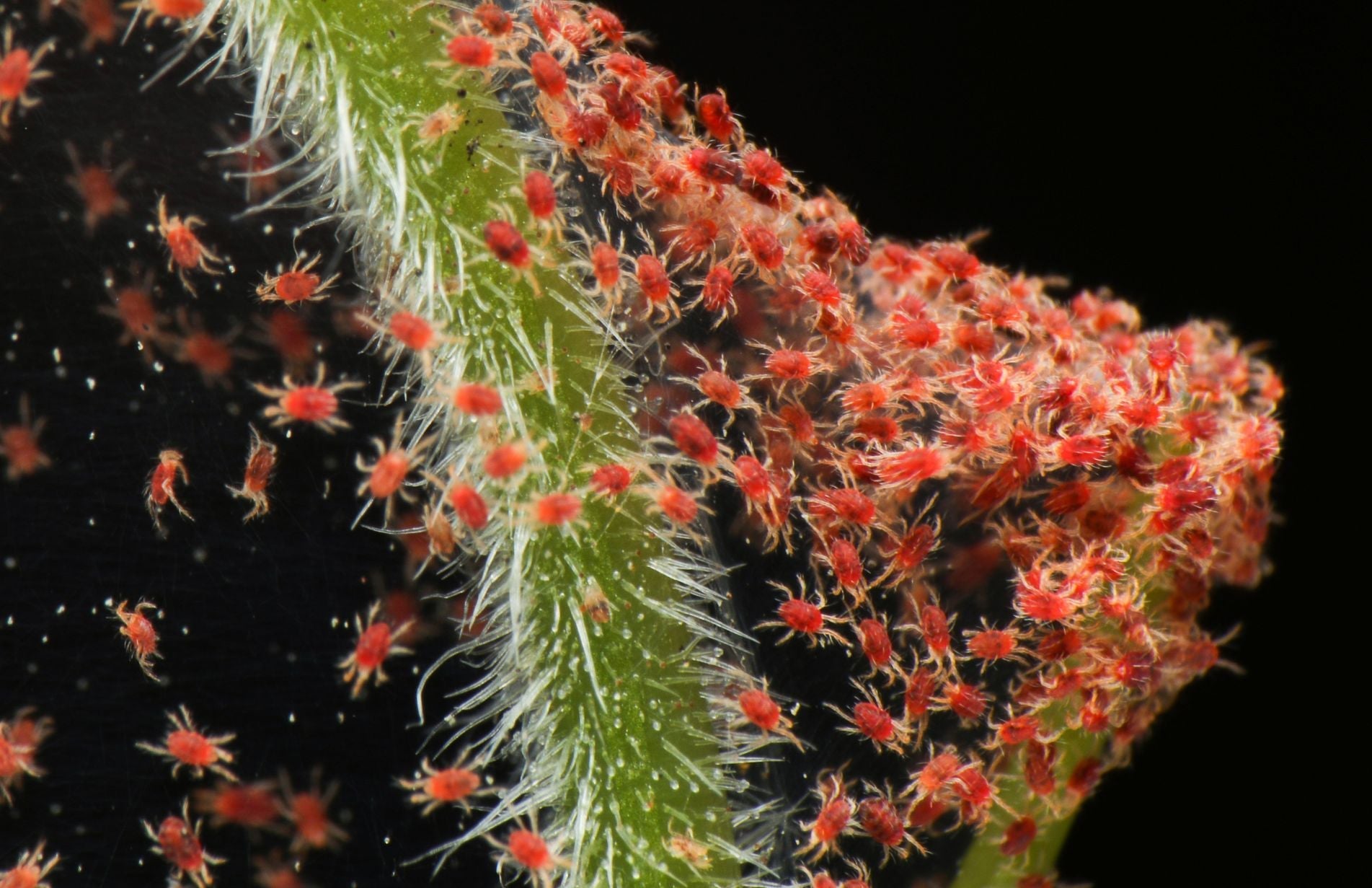 Spider mites are microscopic pests that thrive in warm, dry conditions. They suck fluids from plant cells, causing leaves to develop yellow spots and eventually dry out. Heavy infestations lead to webbing on plant surfaces, making them easily identified.
How These Pests Harm Your Garden
- Weaken plant health by draining essential nutrients.
- Slow growth and development due to leaf and stem damage.
- Increase the risk of plant diseases by creating entry points for infections.
- Attract secondary pests, such as ants and fungi, through honeydew secretion.
- Reduce yields in vegetable gardens, impacting crop production.
Recognizing the Warning Signs of Early Spring Pest Infestations
Detecting pests early is crucial for preventing widespread damage to your garden. Here are some of the most common signs of pest infestations in early spring:
Chewed Leaves and Stems
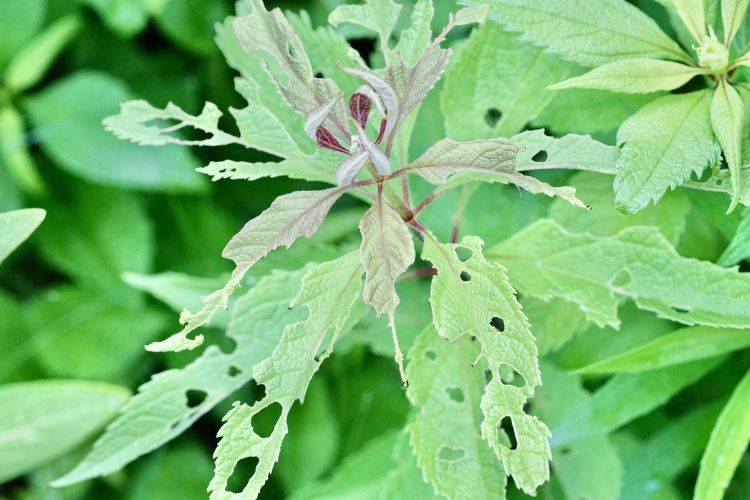 Visible bite marks, irregular holes, or missing sections on leaves and stems indicate the presence of pests like cutworms, slugs, and caterpillars. These pests feed on tender plant tissues, weakening young plants.
Sticky Residue (Honeydew) on Plants
 A clear, sticky substance on leaves or stems indicates aphids, whiteflies, or scale insects. This residue, known as honeydew, attracts ants and can lead to the development of sooty mold, which further harms plant health.
Yellowing or Curling Leaves
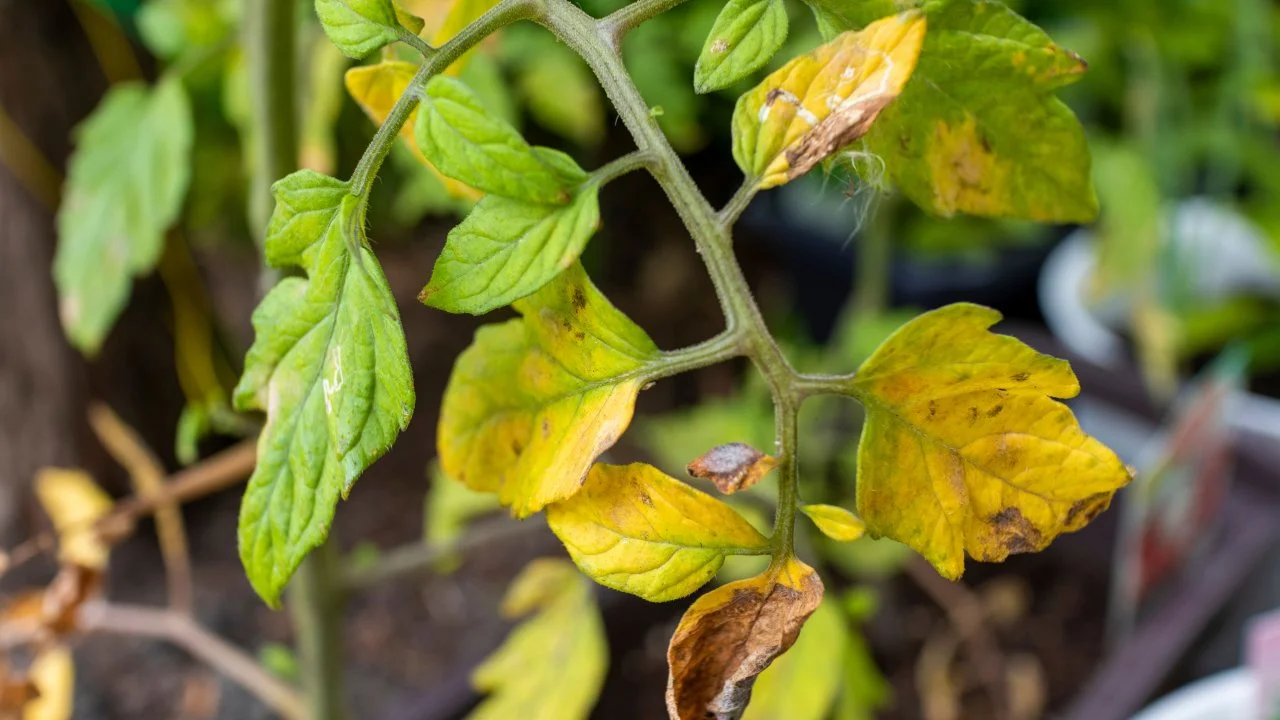 Plants suffering from sap-sucking pests such as aphids, spider mites, and leafhoppers often show signs of yellowing, curling, or distortion. This is due to nutrient loss, which affects overall plant growth.
Tiny Holes or Webbing on Plants
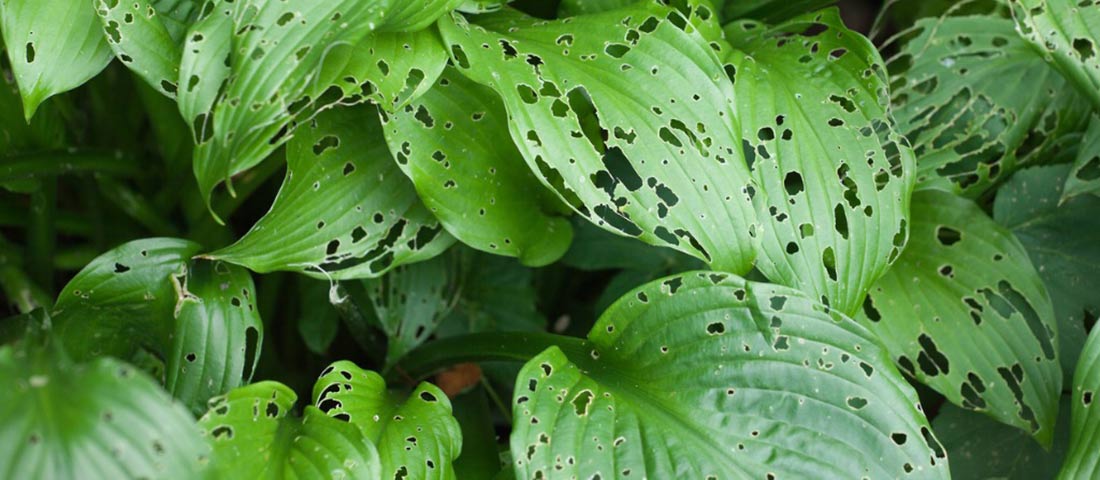 If you notice small holes in leaves or web-like structures on plant surfaces, you may be dealing with spider mites or flea beetles. Webbing is particularly common in plants affected by spider mites, while flea beetles create tiny holes resembling pinpricks.
Drooping Seedlings or Weak Plant Growth
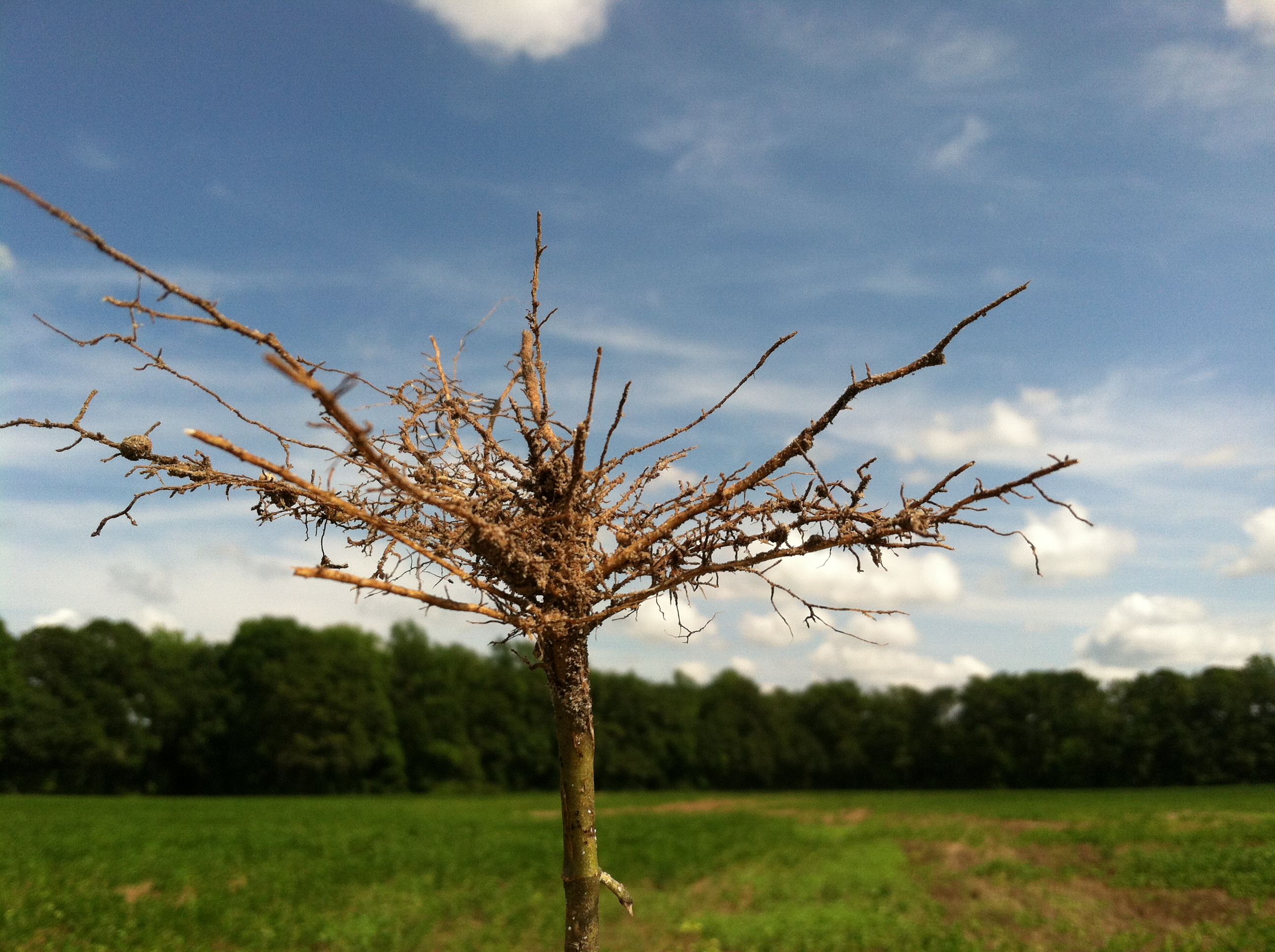 If newly planted seedlings appear stunted, wilted or suddenly collapse, cutworms, root maggots, or soil-dwelling pests could feed on their roots or stems. This can severely impact plant survival and overall garden productivity.
Why Early Detection Matters
Spotting these signs early allows gardeners to take quick action before pests multiply and cause irreparable damage. Regularly inspecting plants, especially during early spring, helps maintain a healthy, thriving garden.
Effective Ways to Keep Early Spring Pests Away
Preventing pests before they invade your garden is the best strategy for maintaining healthy plants. Following these essential preventive measures can reduce the risk of infestations and promote long-term garden health.
Maintain Garden Hygiene
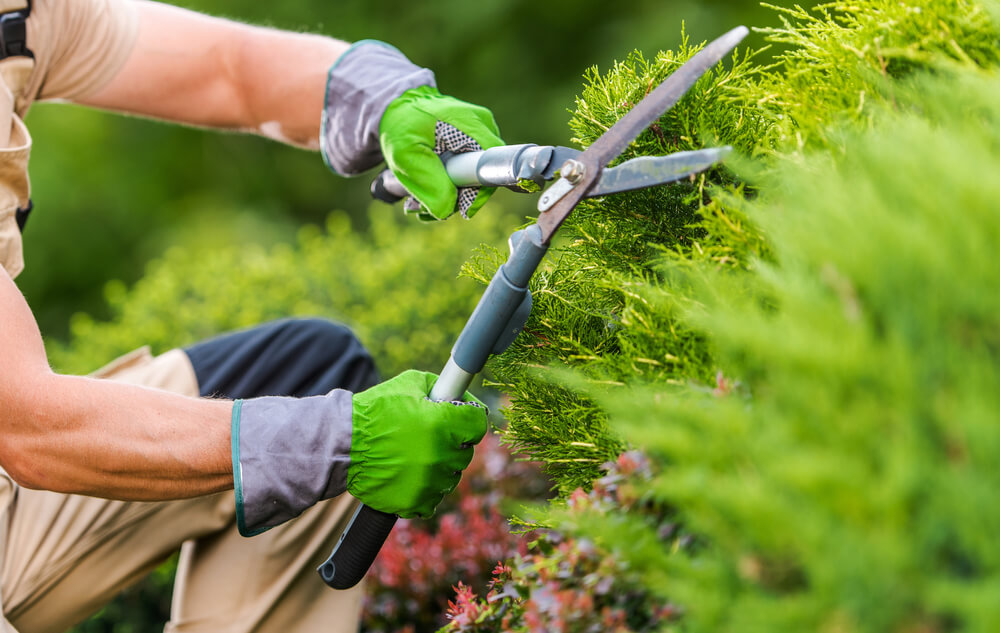 Keeping your garden clean is the first line of defence against pests.
- Remove fallen leaves, dead plants, and weeds to eliminate breeding grounds.
- Clear decaying organic matter that attracts insects and fungal diseases.
- Keep garden beds well-maintained to reduce hiding spots for pests like slugs and cutworms.
Choose Pest-Resistant Plants
Some plants naturally repel common garden pests, reducing the need for chemical treatments.
- Grow marigolds, lavender, basil, and chrysanthemums to deter insects.
- Rotate crops each season to prevent pest buildup and soil depletion.
- Interplant strong-smelling herbs like rosemary and mint to confuse pests.
Encourage Natural Predators
Introducing beneficial insects and animals helps maintain a balanced ecosystem.
- Attract ladybugs, lacewings, and praying mantises, which feed on aphids and other pests.
- Install bird feeders or birdhouses to invite pest-eating birds into the garden.
- Avoid using broad-spectrum pesticides that harm beneficial insects along with pests.
Use Organic Pest Control Methods
 Eco-friendly pest control solutions effectively reduce infestations without harming plants.
- Apply neem oil or insecticidal soap to target soft-bodied insects like aphids and whiteflies.
- Sprinkle diatomaceous earth around plants to prevent crawling pests like slugs and ants.
- Use homemade sprays (e.g., garlic or vinegar solution) to repel common garden pests.
Create Physical Barriers
Blocking pests from reaching plants is an effective way to minimize damage.
- Install row covers to shield young plants from insects and harsh weather.
- Use copper tape or crushed eggshells around plants to deter slugs and snails.
- Place floating row covers over vulnerable crops to protect them from leafhoppers and whiteflies.
How to Control an Existing Pest Infestation
Taking immediate action can prevent further damage if pests have invaded your garden. Here are effective methods to manage and eliminate pests without harming the environment.
Handpicking Pests Off Plants

- For larger insects like caterpillars, slugs, and beetles, manually removing them is an effective method.
- Check the undersides of leaves where pests like aphids and whiteflies often hide.
- Drop collected pests into a bucket of soapy water to prevent them from returning.
Using Companion Planting to Deter Pests
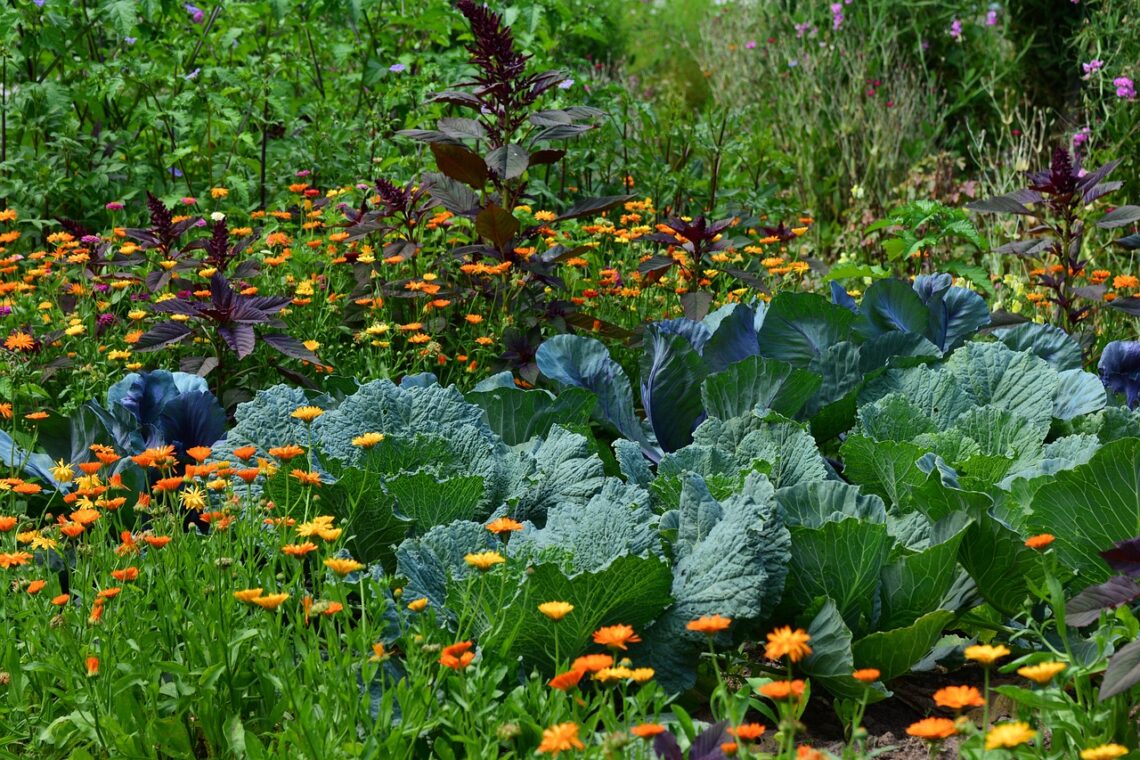
- Certain plants repel harmful insects while attracting beneficial ones.
- Marigolds and nasturtiums deter aphids, while basil and chives keep whiteflies away.
- Growing strongly scented herbs like garlic and rosemary can confuse pests and reduce infestations.
Applying Homemade Sprays
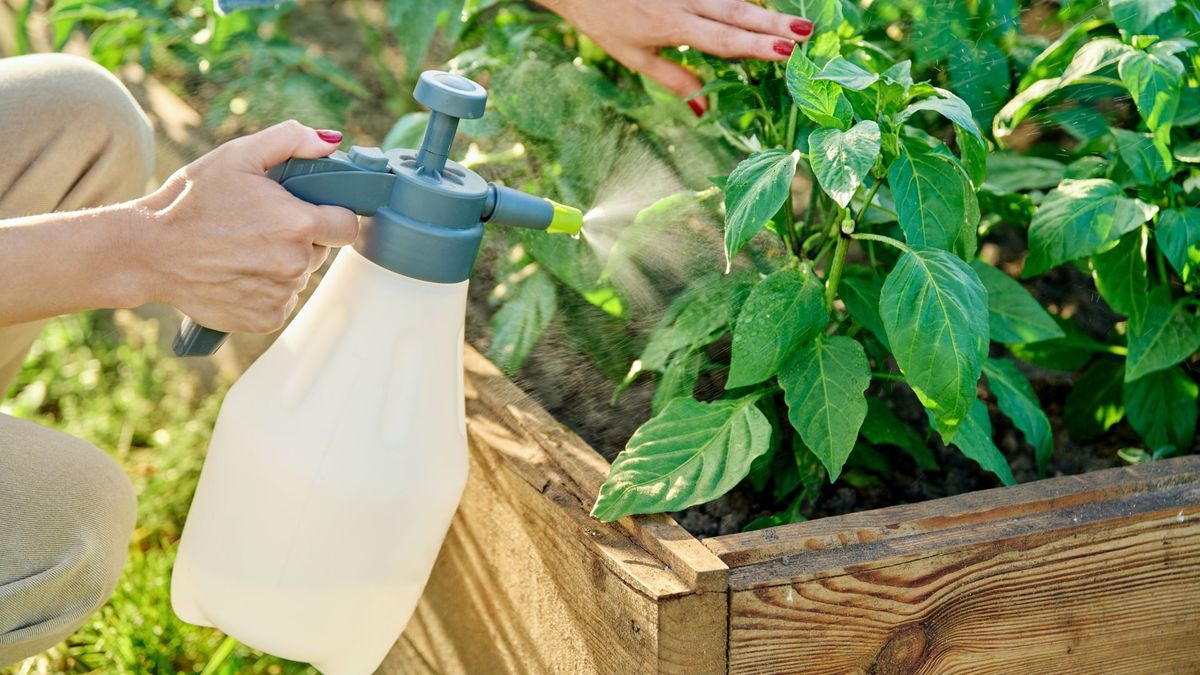
- Garlic Spray: Crush garlic cloves and mix with water to repel aphids and caterpillars.
- Vinegar Solution: A diluted vinegar spray discourages ants and soft-bodied insects.
- Neem Oil Spray: An organic insecticide that disrupts pest growth and feeding patterns.
Introducing Predatory Insects
- Ladybugs and lacewings feed on aphids, mites, and small insect larvae.
- Praying mantises help control a variety of pests, including grasshoppers and beetles.
- Nematodes (microscopic worms) naturally eliminate soil-dwelling pests like cutworms.
Applying Organic Pesticides as a Last Resort
- Use insecticidal soap for soft-bodied pests like aphids and spider mites.
- Apply diatomaceous earth to create a protective barrier against crawling insects.
- Opt for horticultural oils that suffocate pests while being safe for beneficial insects.
Sustainable Strategies to Keep Pests Away for Good
Preventing pests in the long run requires proactive and sustainable gardening practices. Maintaining a balanced ecosystem can reduce pest problems and ensure a thriving garden year after year.
Maintain Healthy Soil with Compost and Mulch
- Healthy soil supports strong plant growth, making them less vulnerable to pests.
- Add compost to enrich the soil with essential nutrients.
- Apply mulch to retain moisture, suppress weeds, and prevent pest infestations in the soil.
Use Crop Rotation Techniques to Break Pest Cycles

- Avoid planting the same crops in the same spot every year.
- Rotate crops to disrupt pest breeding cycles and reduce soil depletion.
- Introduce cover crops like clover to improve soil health and deter pests.
Regularly Inspect Plants for Early Signs of Pests

- Perform weekly plant checks to catch pests before they spread.
- Look for chewed leaves, sticky residue, or discoloration as warning signs.
- Remove affected leaves or plants immediately to prevent infestations from spreading.
Keep Plants Well-Watered and Fertilized to Boost Immunity

- Proper hydration strengthens plant defenses against pest attacks.
- Use organic fertilizers rich in nitrogen, potassium, and phosphorus for healthier plants.
- Avoid overwatering, as damp conditions attract slugs, snails, and fungal diseases.
How Pestong Can Help Protect Your Garden
Our professional pest control services can provide effective and long-lasting solutions when home remedies and preventive measures aren’t enough to control garden pests. We specialize in safe, eco-friendly, customized pest control methods to protect your garden without harming beneficial insects, pets, or plants.
Expert Garden Pest Control Services
We offer comprehensive pest control solutions designed to keep gardens free from destructive insects. Our environmentally friendly methods are tailored to specific pest problems, ensuring your garden stays healthy throughout the season.
Customized Treatment Plans
Every garden is unique, and our team provides personalized pest control strategies based on the specific threats in your area. Our experts assess your garden, identify pest problems, and apply targeted treatments that eliminate infestations without disrupting plant growth.
Safe for Pets and Plants
Unlike chemical-heavy solutions that may harm the environment, we prioritize non-toxic and pet-safe treatments. Our eco-friendly approach eliminates garden pests while beneficial insects, pets, and surrounding vegetation remain unharmed.
Pest Prevention Advice
Beyond eliminating pests, We help gardeners implement preventive measures to stop future infestations. Our professionals guide soil maintenance, companion planting, and organic pest control methods to keep pests at bay year-round.
Serving Multiple Locations
We provide garden pest control services across Toronto, Scarborough, and surrounding areas. Our team ensures effective pest management tailored to your location, whether you’re dealing with aphids, slugs, cutworms, or other early spring pests.
Contact us today for expert assistance in protecting your garden and enjoy a pest-free, thriving garden throughout the season.