

A cockroach infestation occurs when these resilient pests invade homes for food, water, and shelter, rapidly multiplying in hidden areas. As spring approaches, their activity increases due to rising temperatures and humidity, creating ideal conditions for reproduction and survival. Homes with accessible food crumbs, moisture, and clutter become prime targets for cockroaches.
The shift from cold to warm weather prompts cockroaches to emerge from their winter hiding spots, seeking new nesting areas. Increased outdoor breeding also increases the risk of indoor infestations as they enter through small cracks, drains, and gaps in doors or windows.
Preventive measures are crucial before the infestation escalates. Sealing entry points, maintaining cleanliness, and eliminating moisture sources can significantly reduce the likelihood of cockroaches invading your home. Taking proactive steps in early spring ensures a pest-free environment before these unwanted invaders establish a foothold.
Why Do Cockroaches Become More Active in Spring?
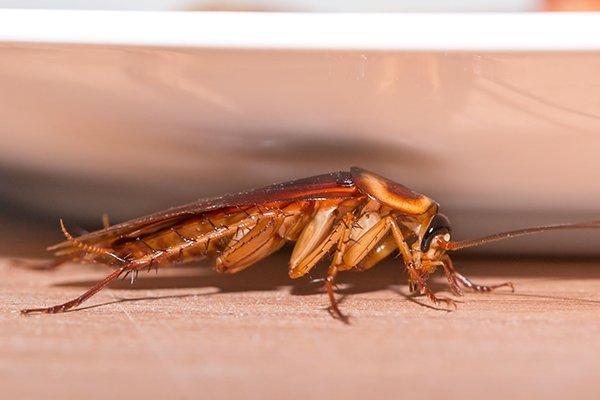
Seasonal Changes and Their Impact on Cockroach Behavior
As temperatures rise in spring, cockroaches become more active after slowing down during colder months. They thrive in warm, humid environments, and the seasonal shift signals them to seek food, water, and shelter. Unlike winter, spring encourages increased movement and reproduction when they remain hidden in deep cracks or insulated areas.
Humidity and Warmth Create Ideal Breeding Conditions
Cockroaches prefer moist, warm areas to lay eggs and expand their colonies. In spring, the combination of higher humidity and consistent warmth accelerates their breeding cycle, leading to a rapid increase in population. Indoor areas like kitchens, basements, and bathrooms provide the perfect conditions for survival, making early prevention crucial.
More Food Sources are Becoming Available
Spring often increases outdoor and indoor food sources, attracting cockroaches. Warmer temperatures cause faster decomposition of organic waste, making garbage bins, food spills, and pet food more appealing. Fresh produce and uncovered pantry items become easily accessible if not properly stored, providing ample nourishment for infestations.
How Spring Cleaning Can Disturb Hidden Cockroach Nests
Deep cleaning during spring may unintentionally disrupt hidden cockroach nests, causing them to scatter in search of new shelter. Moving appliances, clearing out storage spaces, and reorganizing furniture can expose previously undisturbed infestations, leading to increased sightings. While cleaning helps eliminate food sources, sealing gaps and applying pest control measures to prevent roaches from relocating within the home is essential.
Taking proactive steps to control moisture, limit food access, and block entry points can help prevent a full-scale infestation as spring progresses.
Identifying Early Signs of a Cockroach Infestation
.2404181020550.jpg) Recognizing the early signs of a cockroach infestation can help prevent a small problem from becoming widespread. These nocturnal pests prefer to stay hidden, making it essential to identify their presence before they multiply.
Recognizing the early signs of a cockroach infestation can help prevent a small problem from becoming widespread. These nocturnal pests prefer to stay hidden, making it essential to identify their presence before they multiply.
Live Cockroach Sightings, Especially at Night
Cockroaches are most active after dark, emerging from their hiding spots to search for food and water. Spotting even a cockroach during daylight hours strongly indicates an infestation, suggesting overcrowding in their nests. Common places to see them include kitchens, bathrooms, basements, and dark storage areas.
Droppings and Their Appearance (Coffee-Ground-Like)
Cockroach droppings resemble black pepper or coffee grounds, depending on the species and size of the pest. These droppings are commonly found:
- Near food storage areas like pantries and cabinets.
- In dark corners, along baseboards, and behind appliances.
- In drawers and under sinks, where they frequently hide.
Accumulated droppings indicate high activity levels, and their presence should prompt immediate pest control actions.
Egg Cases (Oothecae) and Where They Are Commonly Found
Cockroaches reproduce rapidly, laying eggs in protective cases known as oothecae. These oval-shaped casings are often brown or reddish and can contain multiple eggs. They are commonly found:
- Hidden in cracks, crevices, and dark corners.
- Attached to walls, furniture, and cardboard boxes.
- Near moist areas like sinks, drains, and behind appliances.
Finding discarded or intact egg cases is a warning sign of an active infestation, requiring immediate action to prevent further spread.
Unpleasant Musty Odor in Infested Areas
A strong, musty, or oily smell in certain home areas can indicate a cockroach presence. The odour comes from pheromones released by the pests, which they use to communicate with other roaches. The smell intensifies as their numbers grow and is often noticeable in:
- Kitchens and food storage areas.
- Cupboards, closets, and basements.
- Damp areas with leaks or high humidity.
Practical Tips to Keep Cockroaches Out of Your Home
The most effective way to keep cockroaches out of your home is to take preventive measures before an infestation begins. Implementing these strategies can reduce the chances of an infestation and maintain a pest-free environment.
Seal Entry Points
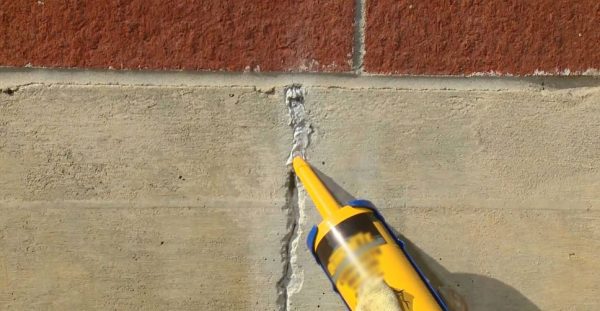 Cockroaches enter homes through small openings for shelter, food, and water. Sealing these access points is a crucial step in preventing infestations.
- Inspect and close cracks, crevices, and gaps around walls, windows, and door frames.
- Install weather stripping around doors and windows to block potential entry points.
- Seal gaps around pipes, vents, and utility openings using silicone caulk or steel wool, as cockroaches can squeeze through tiny spaces.
Maintain a Clean Environment
 A clean home reduces food sources and hiding spots for cockroaches, making it less inviting for them.
- Sweep and mop floors regularly to remove food crumbs and spills that attract cockroaches.
- Wipe down countertops and kitchen appliances to eliminate grease and food residue.
- Garbage should be disposed of in sealed bins and taken out daily, as open trash containers provide an easy food source.
Store Food Properly
 Cockroaches are drawn to accessible food, so proper storage is essential to prevent infestations.
- To prevent contamination, use airtight containers for grains, cereals, flour, and pet food.
- Avoid leaving dirty dishes in the sink overnight, as food particles attract roaches.
- Refrigerate perishable foods, including fruits and vegetables, to minimize exposure to pests.
Reduce Moisture and Hiding Spots
Cockroaches thrive in damp areas and cluttered spaces, so reducing moisture and limiting hiding spots can deter them.
- Fix leaky pipes and faucets to eliminate water sources that cockroaches rely on.
- Use dehumidifiers to control humidity levels in basements, attics, and damp areas.
- Declutter storage spaces such as garages, closets, and basements to remove potential hiding spots.
Use Natural and Chemical Repellents
 Various natural and chemical solutions can help keep cockroaches at bay.
- Place bay leaves, cucumber slices, or diatomaceous earth near entry points as natural deterrents.
- Use boric acid, cockroach traps, or professional-grade insecticides in areas where cockroaches are commonly found.
- Apply cockroach baits and gel treatments in kitchens, bathrooms, and other high-risk areas to target hidden infestations.
When to Call Professional Pest Control?
While preventive measures and DIY treatments can help reduce the risk of cockroach infestations, there are situations where cockroach pest control is necessary. If cockroach activity persists or worsens, seeking expert assistance ensures effective and long-term elimination.
If Cockroach Sightings Increase Despite Prevention Efforts
If cockroaches continue to appear despite sealing entry points, maintaining cleanliness, and using repellents, this indicates an established infestation. Cockroaches multiply rapidly, and ignoring the problem may lead to a widespread infestation that becomes harder to control.
When DIY Methods Fail to Control the Infestation
DIY treatments, such as boric acid, traps, and insecticides, can be effective for minor infestations. However, our professional pest control is the best solution if these methods fail to eliminate cockroaches. Experts use industrial-grade treatments and targeted extermination techniques that reach hidden nests and breeding sites.